After 70 years, Bitterns are once again breeding successfully in Northumberland, with the first breeding at Gosforth Nature Reserve since 1956.
After months of excitement, speculation, patient watching and more than a little detective work, we are delighted to share some extraordinary news from Gosforth Nature Reserve: Bitterns have successfully bred at the reserve this year.
The breeding attempt has been confirmed following months of monitoring, with evidence including the presence of young birds. It marks an extraordinary return for a species that has not been confirmed breeding in Northumberland for around 70 years, where historical records show that Bitterns last bred at Gosforth Park in 1956.
Bitterns are among Britain’s most secretive birds. Closely associated with large reedbeds, they are far more likely to be heard than seen, with the male’s unmistakable booming call carrying across wetlands during the breeding season. Confirming breeding is no easy task.
This year’s success has been a real team effort. Dedicated local birdwatchers, including Tom Quenet and Mike Natrass, have spent hundreds of hours patiently watching the reserve’s reedbeds, gathering photographs and observations that have helped build the evidence for successful breeding.
This is absolutely fantastic news and one of the most exciting developments we’ve had at Gosforth Nature Reserve in recent years. Bitterns are notoriously secretive birds, so confirming that they have not only stayed to breed but successfully raised young is a huge moment for the reserve.
Clare Freeman, NHSN Director
“What makes it even more special is the history of the site. We know that Bitterns bred here in 1956, so this represents an extraordinary return after around 70 years. It is wonderful to think that a bird which was once breeding here when the reserve was still in its infancy is now doing so again.
“It is also a fantastic demonstration of the importance of protecting and managing reedbeds. Gosforth is right on the doorstep of Newcastle, yet it supports a species that is nationally rare and incredibly difficult to see. The fact that Bitterns have chosen to breed here is testament to the value of the habitat and the work of the volunteers who look after the reserve.
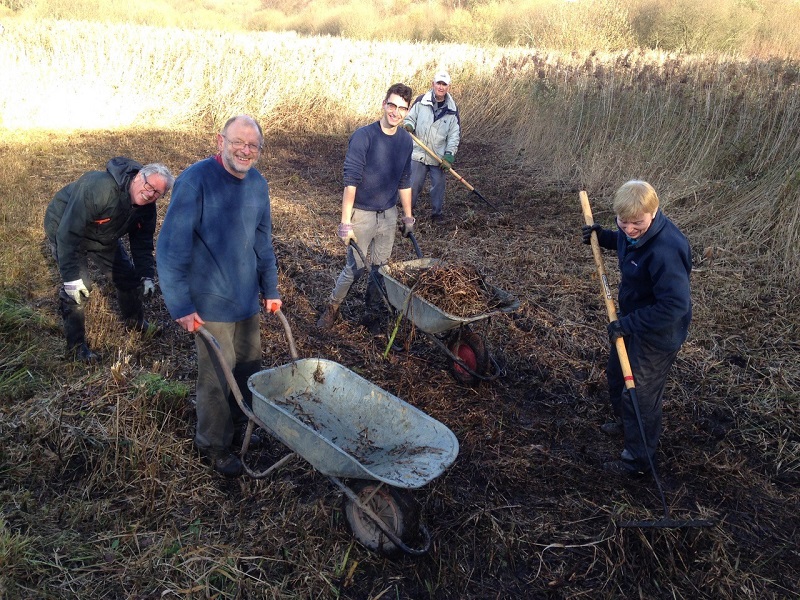
The return of breeding Bitterns is a remarkable achievement for Gosforth Nature Reserve and a wonderful reflection of the importance of its wetland habitats and management carried out in all weathers by passionate volunteers. Bitterns were once extinct as a breeding bird in Britain, but have gradually returned as wetlands and reedbeds have been restored. The latest national survey recorded 283 booming males, with the species continuing to expand its range in northern England.

Gosforth’s birds are potentially among the most northerly breeding Bitterns in England, representing a further expansion of the species’ breeding range. The reserve’s extensive reedbeds have clearly become increasingly important to these birds, with Bitterns recorded regularly in recent years and hopes of breeding growing during 2026.
That this has happened on the doorstep of Newcastle makes the news all the more special. Gosforth Nature Reserve covers 61 hectares of woodland, wetland and reedbed and has now recorded more than 1,600 species. The presence of a nationally scarce and notoriously elusive wetland bird successfully raising young here is a powerful reminder of what can be achieved through the protection and careful management of these habitats. Gosforth is also a key part of the Ouse Burn Wildlife Corridor, with the Ouse Burn Way connecting the reserve through Jesmond Dene to the Lower Ouseburn. The return of breeding Bitterns is a wonderful example of the wildlife that can thrive when these important habitats are protected, connected and cared for.
It has been a fantastic few weeks for Gosforth Nature Reserve, and we have been thrilled to see the story of our Bitterns shared far beyond the reserve. The birds have featured on BBC Look North (available below), bringing this remarkable conservation success to audiences across the North East, and the BBC has also produced a news feature exploring the return of Bitterns to Gosforth.
We are incredibly proud of everyone who has played a part in this story, from the volunteers who care for the reserve’s habitats to the members and local wildlife watchers who have spent countless hours observing and recording its wildlife.