Description
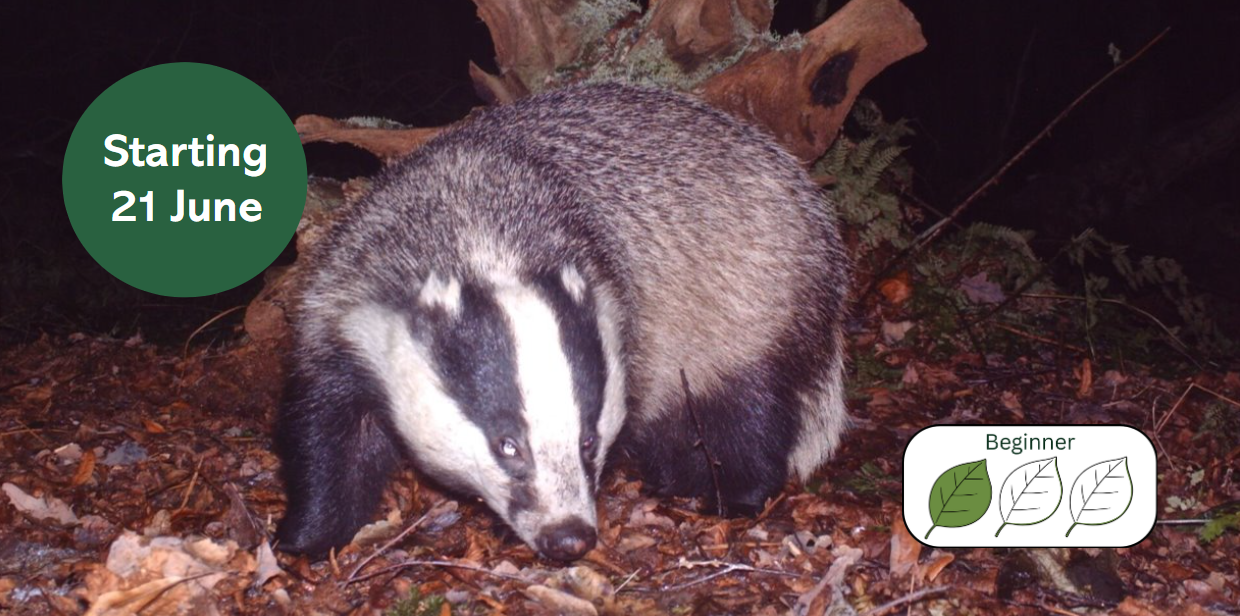
Discover how to use camera traps to monitor UK mammals in this two-part practical course at Gosforth Nature Reserve.
Overview
Course tutor: Sammy Mason
Course length: 2 weeks, Sunday 21 June - Sunday 5 July, 10am-1pm
Course structure: 2 sessions, indoor/outdoor at Gosforth Nature Reserve
Course cost: £60 NHSN Members / £70 Non-Members
About This Course
Discover how to use camera traps to monitor UK mammals in this two-part practical course at Gosforth Nature Reserve.
You’ll learn the principles behind remote wildlife monitoring, how camera traps work, and how to choose the right settings and locations for capturing elusive species. You’ll then head out into the reserve to set up and deploy cameras in suitable habitats, gaining hands-on experience in positioning and settings to maximise your chances of capturing wildlife.
In the second session, you’ll review and classify your images and videos captured on your camera traps at the reserve. Using the MammalWeb citizen science platform, you’ll gain skills in identifying species, managing your data, and understanding behaviour from camera-trap footage. You’ll also learn about how to contribute valuable species data from camera traps to local and national monitoring programmes.
Accessibility Information
Accessible toilets are available. Our Field Studies Room is fully wheelchair accessible, though the locations visited to place cameras may not be fully accessible.
Questions (and identification queries) are welcome at any time by emailing james.common@newcastle.ac.uk. Please read the terms and conditions for NHSN education courses before booking.
About the tutor:
Dr Sammy Mason is a trustee of MammalWeb, a charity aiming to improve mammal monitoring through the use of camera traps and citizen science. Sammy completed her PhD on the MammalWeb project, particularly focusing on estimating mammal densities using camera traps and evaluating the benefits of engagement with schools. She now works as a freelance facilitator on different projects connecting people to nature through participatory science and art.