As winter shorebirds battle to feed and rest on our coast, giving them space has never mattered more. Here’s why space matters and how you can help protect the wildlife you love.
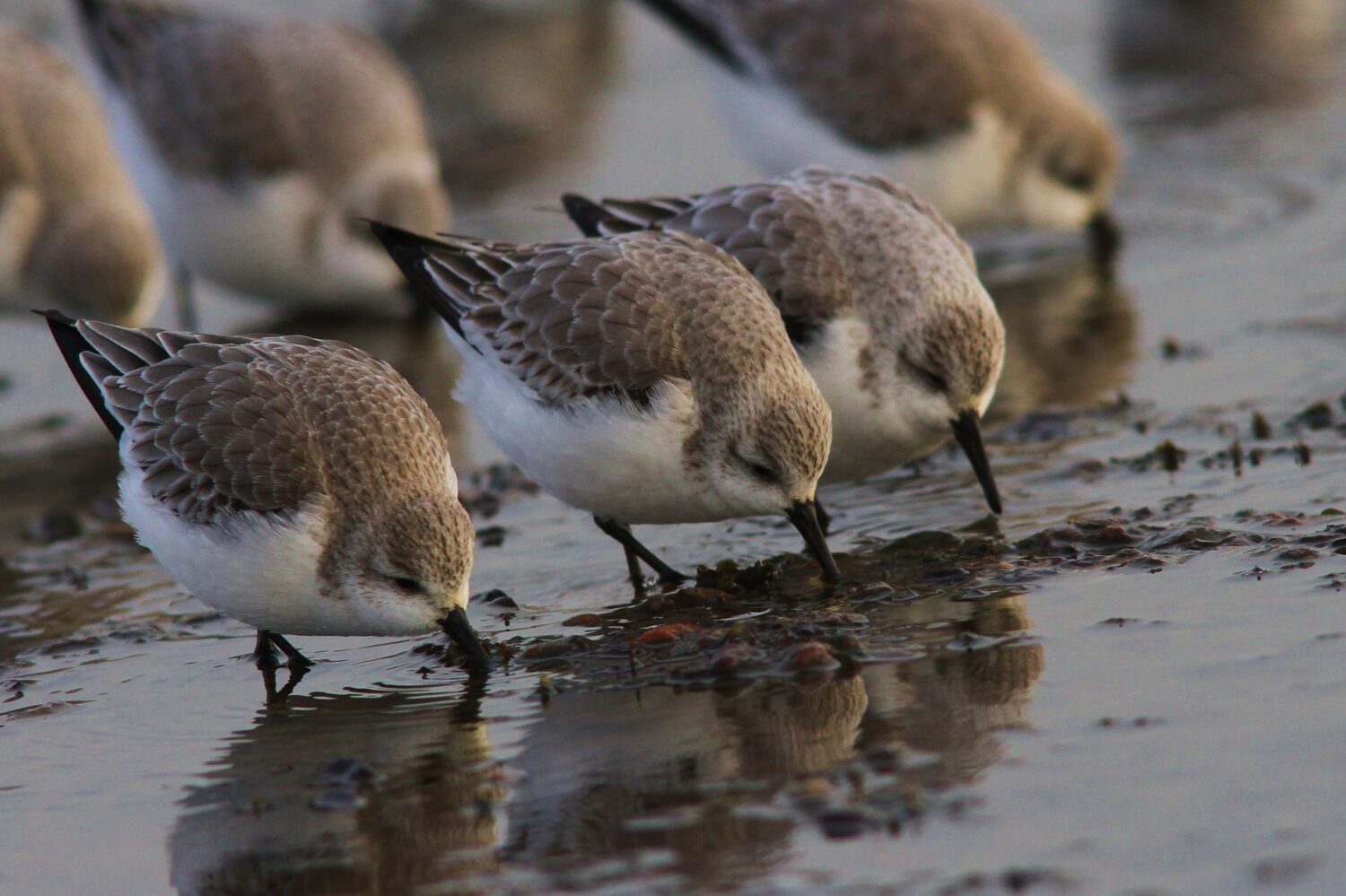
Does wildlife come first in your wildlife photography?
Autumn and winter on the Northumberland coast can be a thrilling time. When much of our countryside falls under a blanket of quiescence the coast bustles with life. Shorebirds that breed in the north during the brief arctic summer have completed astonishing journeys, travelling thousands of miles to find refuge and food here on our coast.
Every calorie counts for these birds, getting through the long dark winter nights is tough, so feeding without disturbance is crucial. Each time they are disturbed means wasted energy and missing a chance to feed.
Shorebird disturbance on our coast is caused by all sorts of human activities, and an increasingly obvious activity having an impact upon wildlife is photography.
Many people take great pleasure from photography on the Northumberland coast. It can be such a rewarding hobby and it can foster a respect for nature, but uncomfortably it also can impact upon wildlife.
The technology to capture beautiful images of wildlife and landscapes has never been better or more accessible. Mirrorless systems, drone photography and phones all being capable of producing glorious shots. Those great images in turn can help people appreciate wildlife and it’s fragility.
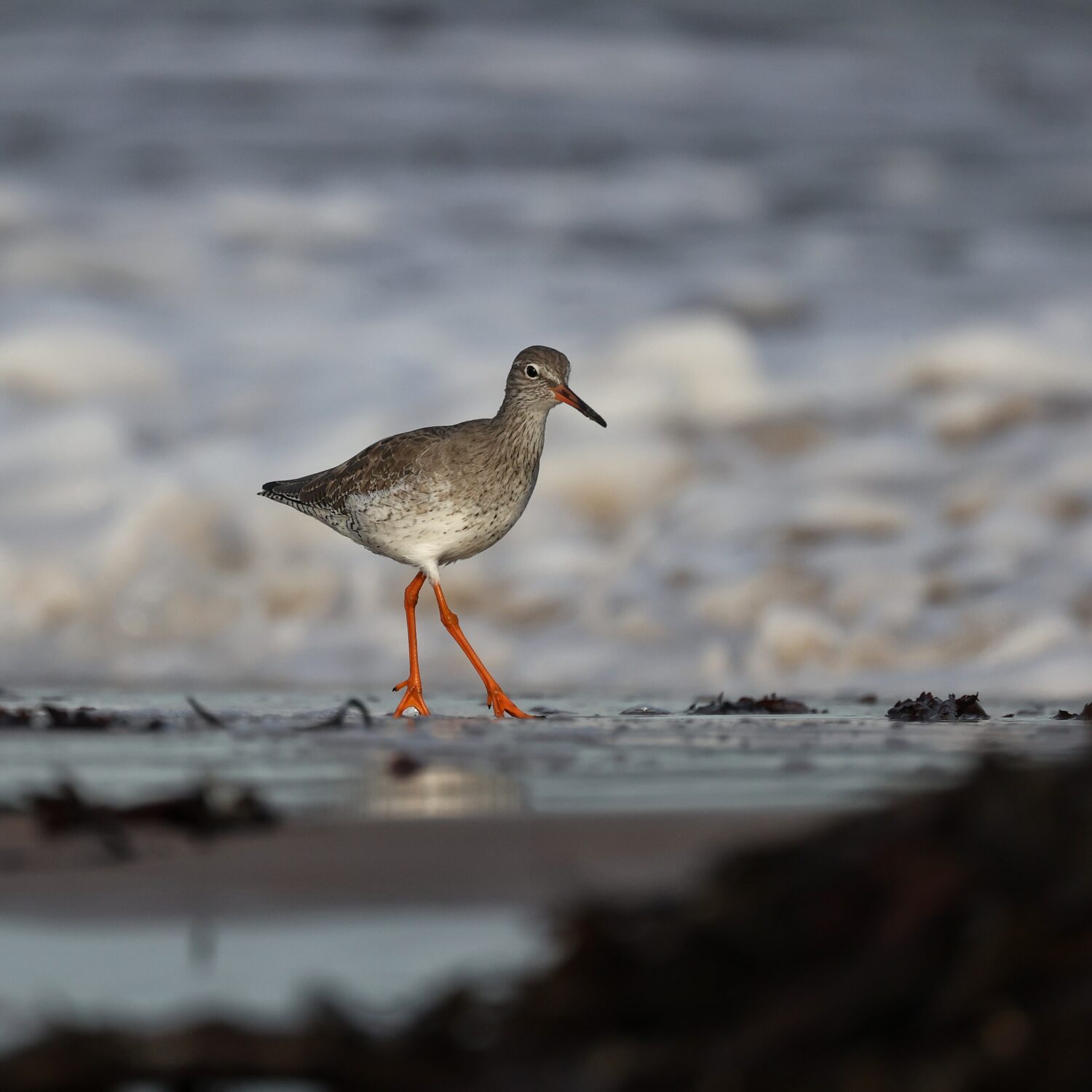
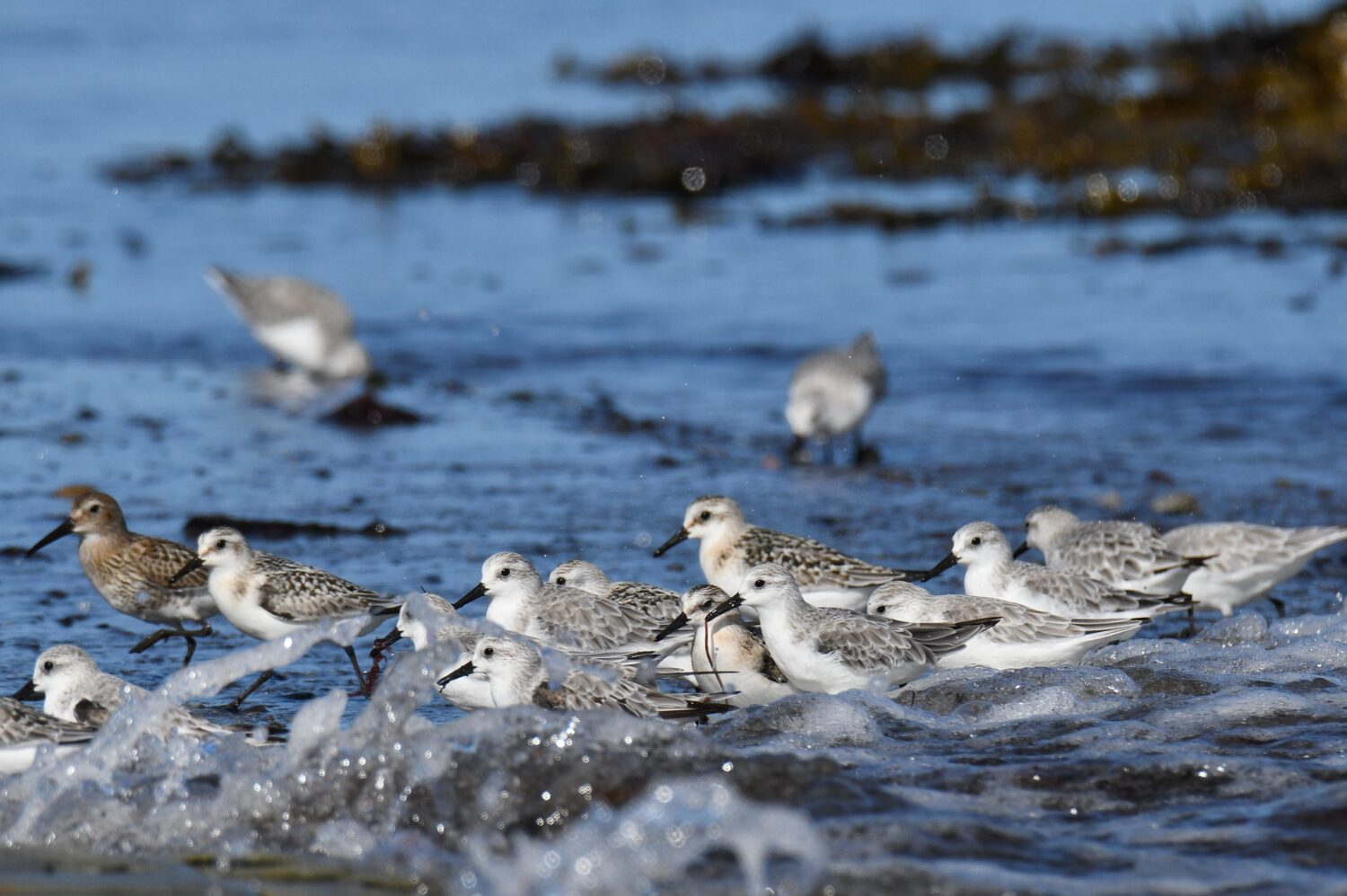
Do we need to think more about the impact of our hobby upon the wildlife which it depends?
The Space for Shorebirds ranger team spends much of their time outside at the coast and often see bird photographers moving towards wildlife with the drive of getting that shot, putting pressure on the birds to the inevitable point that they fly away. We even see people deliberately flushing the birds to get in-flight shots which is wholly unacceptable.
We try to talk to those photographers to help them understand the pressure the birds are under, and you might be surprised to learn that many are not ignorant about nature, but have made a choice to put their photo, their experience, ahead of the welfare of the birds. Our choices matter.
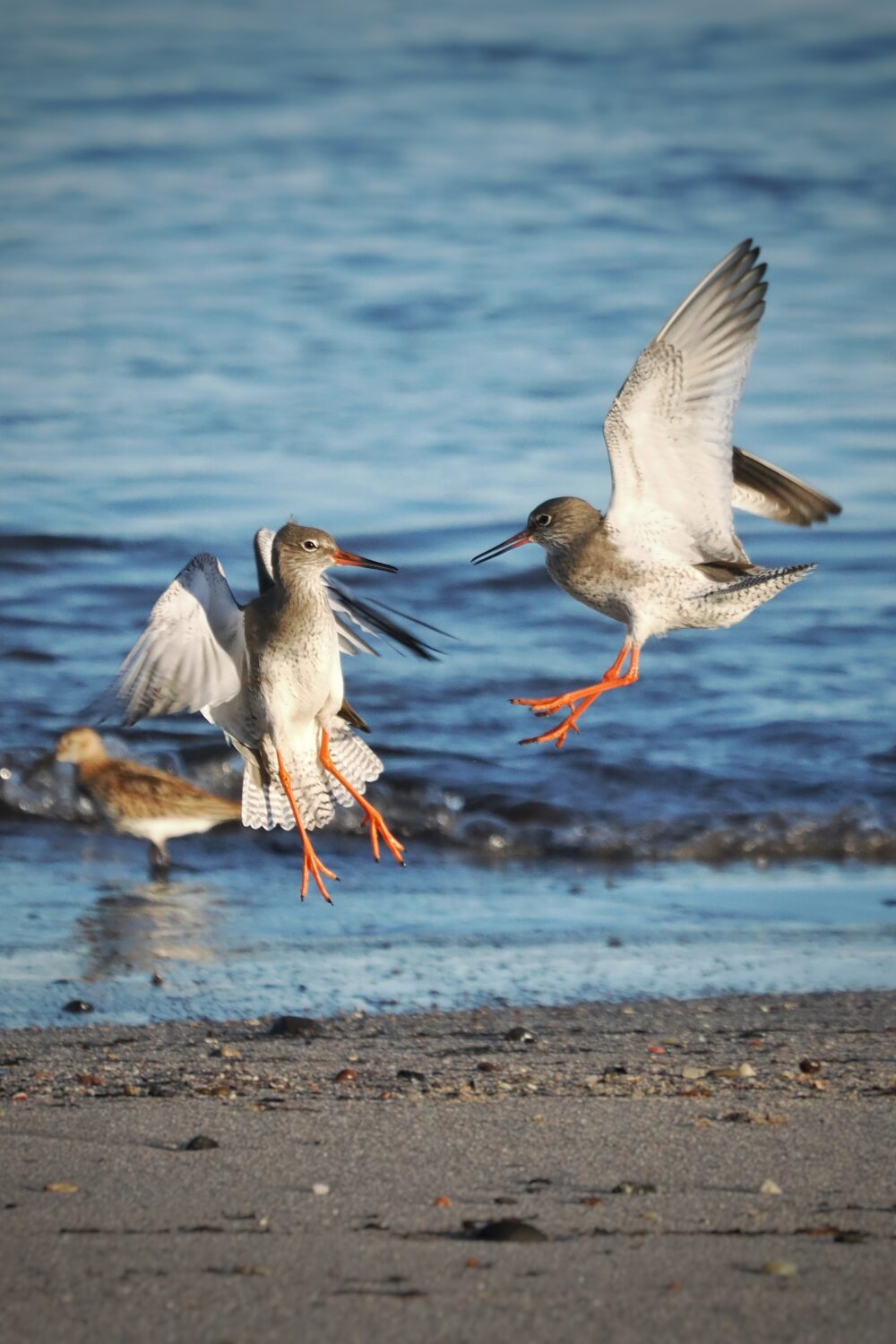
The welfare of the subject is more important than the photograph.
Nature Photographers’ code of Practice
Wildlife photographers should set the example to others on the beach, and where we see good fieldcraft being used the difference to the birds is night and day. The photographer arriving at their chosen site an hour early on a rising tide, getting down low, staying still and allowing the wildlife to approach them. The shorebirds are feeding along the water’s edge and the photographer is staying still and low and getting wonderful photos.
Our guidance for shorebird photography to help you get great results and protect the birds is:
- Watch and learn behaviour – the best wildlife photographers know their subject.
- Look for stress – a bird will show stress before it flies away. It will stop feeding and become alert, then shout an alarm call. Move carefully away if you see signs of stress.
- Get in position early on a rising tide – requiring preparation and patience.
- Get down low and stay still – the single key action to avoiding shorebird disturbance.
- Let the wildlife approach you – this is when the joy happens – the birds are feeding and you are in the moment.
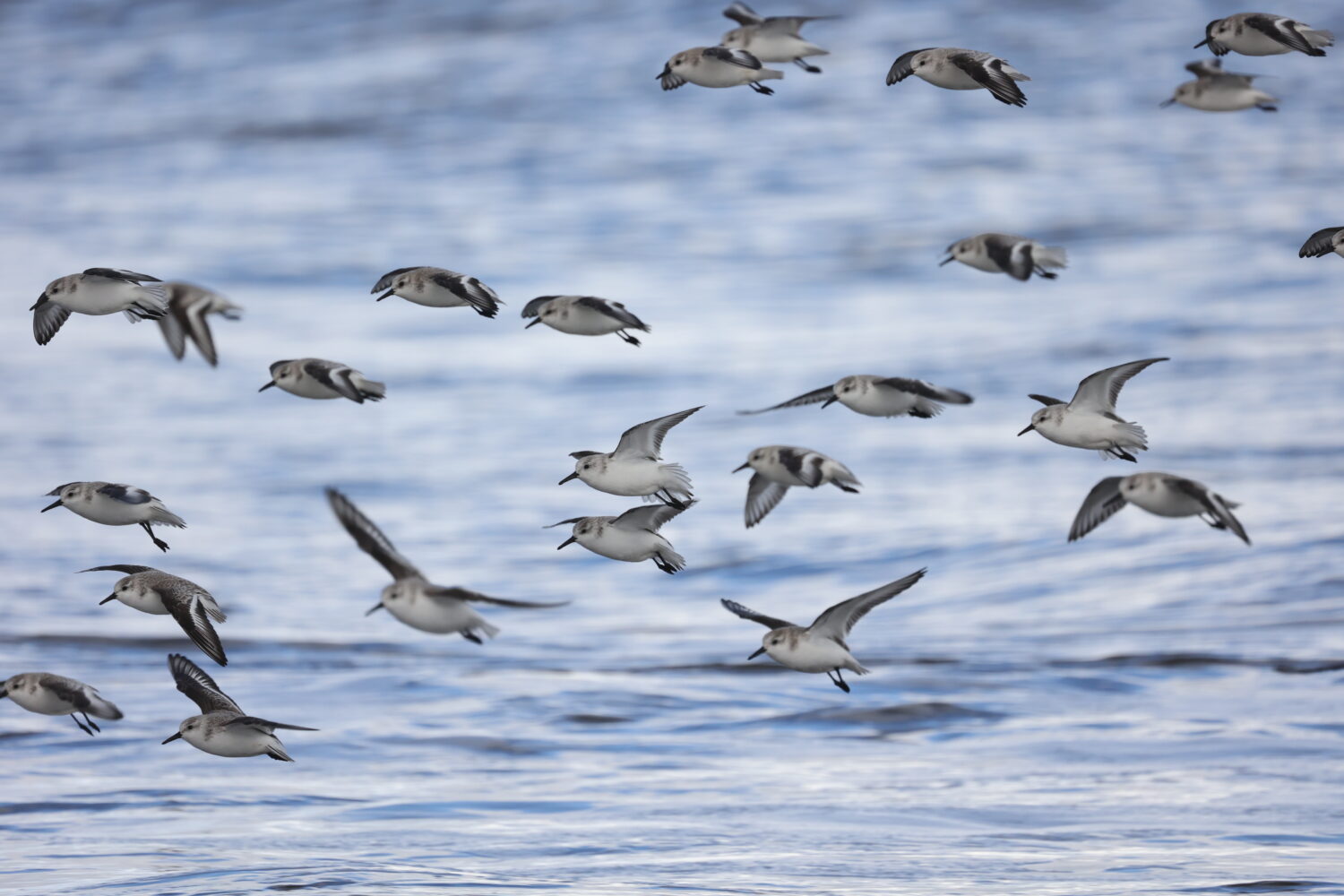
Gear
Very expensive gear isn’t necessary, but a long lens, with at least 300mm equivalent reach is needed for photographing shorebirds so you are able to keep your distance. Also think creatively, in many good wildlife images the bird is small in the frame and the picture tells a story of the bird in its environment.
A camera set on silent shooting is preferable – most mirrorless system cameras now have a silent shooting mode (electronic shutter).
Declaration of no disturbance
If you share photos on social media, it is good practice to point out that the shot was taken with a long lens and the bird was not disturbed – this helps to show others that we are all doing the right things.
The responsibility of shares and likes
If we share or like wildlife photos, we should consider the subject, has the photographer told me that they considered the wildlife when taking the photo? Do the birds or animals look stressed? Is this a specially protected species or area?
Finally – enjoy this winter on the Northumberland coast, enjoy your bird photography and do play your part in keeping the wildlife safe.
All photos used for this blog were taken by responsible photographers with a long lens and no bird disturbance.