Communities, wildlife and wellbeing will thrive along the Ouse Burn thanks to support from the Reece Foundation.
The Natural History Society of Northumbria (NHSN), with support from the Reece Foundation, is launching Wildlife Ways, a three-year community-led project to protect and enhance wildlife along the Ouse Burn in Newcastle, which will transform how communities connect with, care for, and enjoy this important urban green corridor.
This new community-led environmental project will boost wildlife, improve local green spaces, and empower communities to take action for nature along the Ouse Burn.
Thanks to the support of the Reece Foundation, who have awarded NHSN a total of £157,000 of a total project cost of £187,000, Wildlife Ways will take its next steps with the appointment of a new Ouse Burn Ecologist to assist in connecting people and nature along the Ouse Burn.
The Ouse Burn Ecologist will be a highly visible, “out and about” role supporting residents, community groups, and businesses to take practical action on the ground.
The Ouse Burn Way is such a special part of our local environment, and I’m very pleased we can support its future by funding an Ouse Burn Ecologist. This is an important role that will engage communities, protect wildlife and help nature thrive along this vital corridor.
Anne Reece, Chair of the Ouse Burn Way Project Board and the Reece Foundation
Working alongside NHSN’s Urban Naturalist, Ellie Davison (also supported by the Reece Foundation), the Ecologist will nurture local enthusiasm for nature by providing ecological advice, coordinate surveys, and support improvements to valued community spaces.
This exciting project puts communities at the heart of caring for the Ouse Burn. It’s about shared action, local pride, and creating lasting benefits for people and wildlife for years to come.
Ellie Davison, Urban Naturalist
Over the course of the three-year project, communities will establish a network of Wildlife Ways branching off the Ouse Burn Way, making routes and spaces better for people and for wildlife. These areas will benefit from community-led practical enhancements such as tree and bulb planting, meadows, wildlife gardens, pollinator habitats, hedgehog and bat boxes, and litter picking.
A strong emphasis on community-led ecological surveying will enable local people to record wildlife, habitats, litter, and invasive species using accessible digital tools. The resulting data will be visualised and shared, helping inform land management decisions and contributing valuable records to regional and national environmental databases. This work will strengthen understanding of key species and habitats, while highlighting both successes and areas for further action.
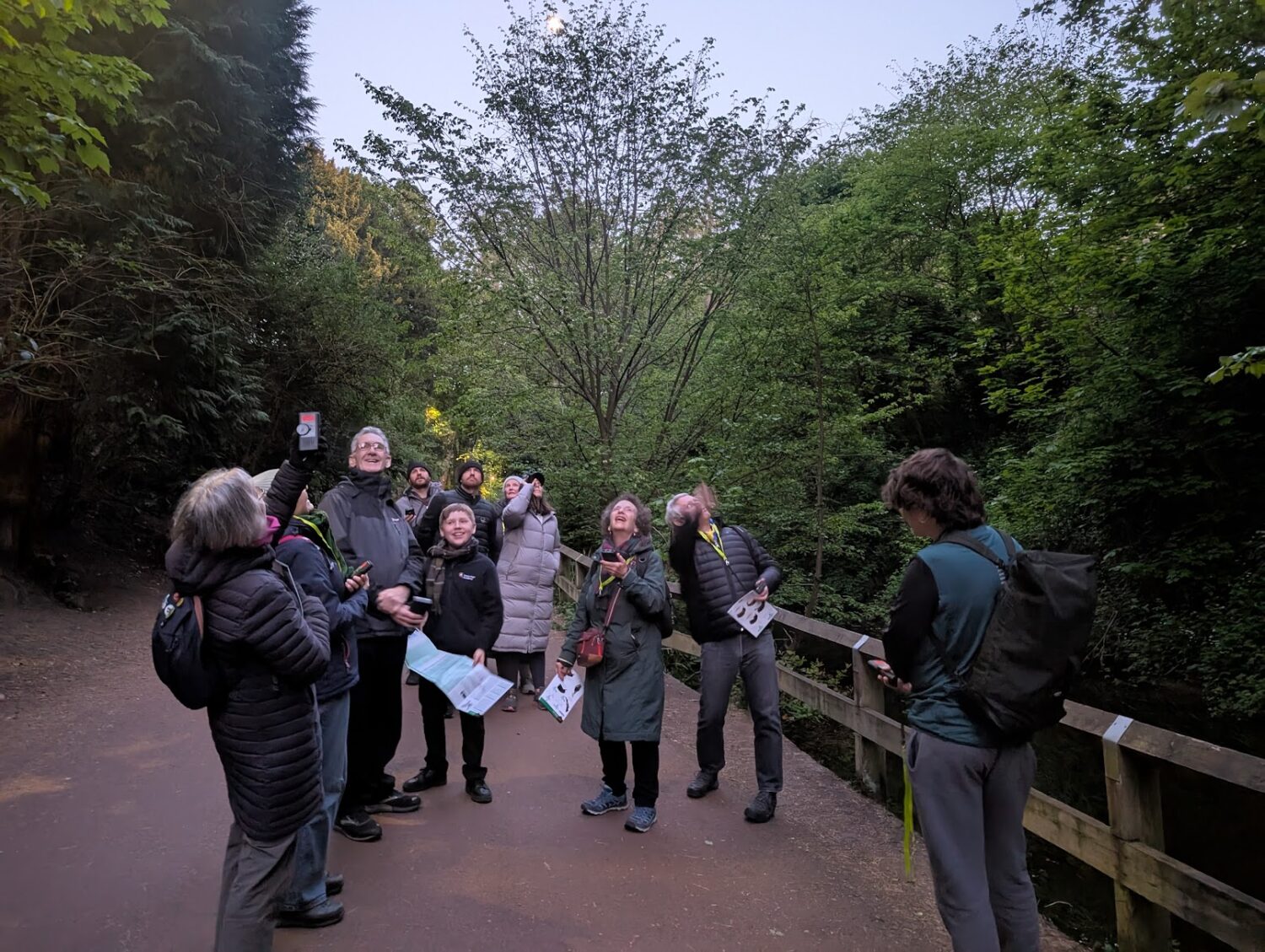
The project will also broaden engagement through a vibrant programme of events and storytelling. Activities such as guided walks and discovery days will bring together residents, volunteers, and businesses, encouraging more people to notice nature close to home and take practical action to help wildlife.
In total, the project will engage dozens of community groups and local businesses, will support hundreds of volunteers, and will improve around 30 places and spaces on the Ouse Burn Way. Beyond visible environmental gains, Wildlife Ways will improve wellbeing, increase physical activity, and build stronger connections between people and nature.
Importantly, the project will leave a powerful legacy. Communities will be better equipped and more confident to continue caring for their local environments, environmental data will continue to inform future decision-making, and momentum will be built to influence planning, access, and long-term protection of the Ouse Burn Way.
To find out more about Wildlife Ways, please email Ellie Davison at UrbanNaturalist@newcastle.ac.uk
Could you be our new Ouse Burn Ecologist?
Would you love a job where every day is focused on expanding your wildlife knowledge and inspiring people to notice, enjoy and care for wildlife along the Ouse Burn in Newcastle? If the answer is ‘yes’, we would love to hear from you.