Spring in the North East sees the arrival of many songbird and flycatcher species, returning to the UK to settle in for their breeding season. From the fiery colours of Redstarts to the iconic call of the Cuckoo, spring is the perfect time to get out and about and search for these seasonal visitors.
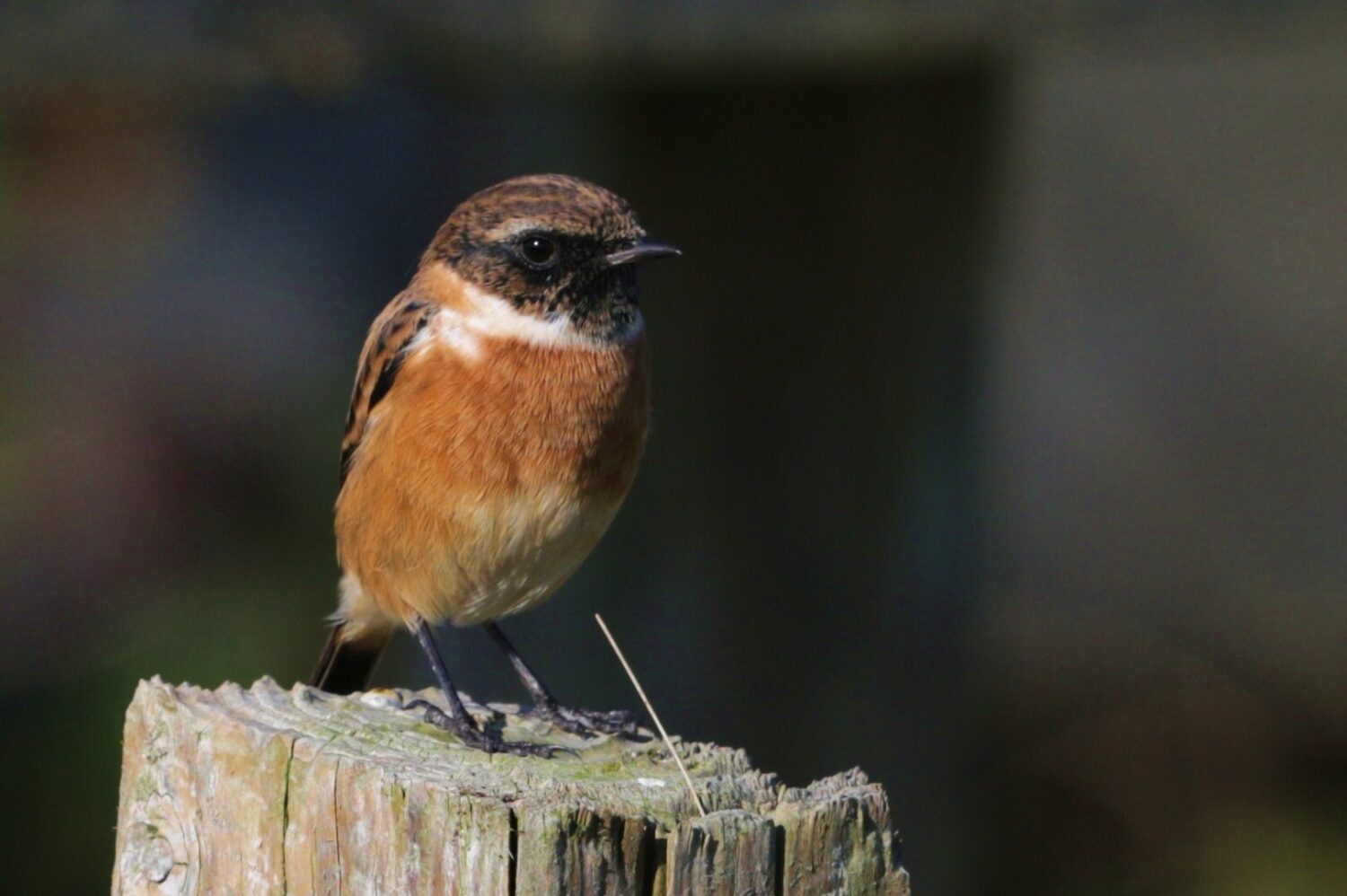
Did you know, Whinchat have one of the longest migrations of any UK bird, with many travelling from as far as South Africa?
Visitors From Across the Globe
As spring approaches and temperatures start to rise, birds from as far as Russia migrate to the UK to breed.
The incredible woodlands and grasslands of the North East offer great spots for shelter, foraging, and socialising, making this the ideal area for these birds to call home as they nest over spring and summer.
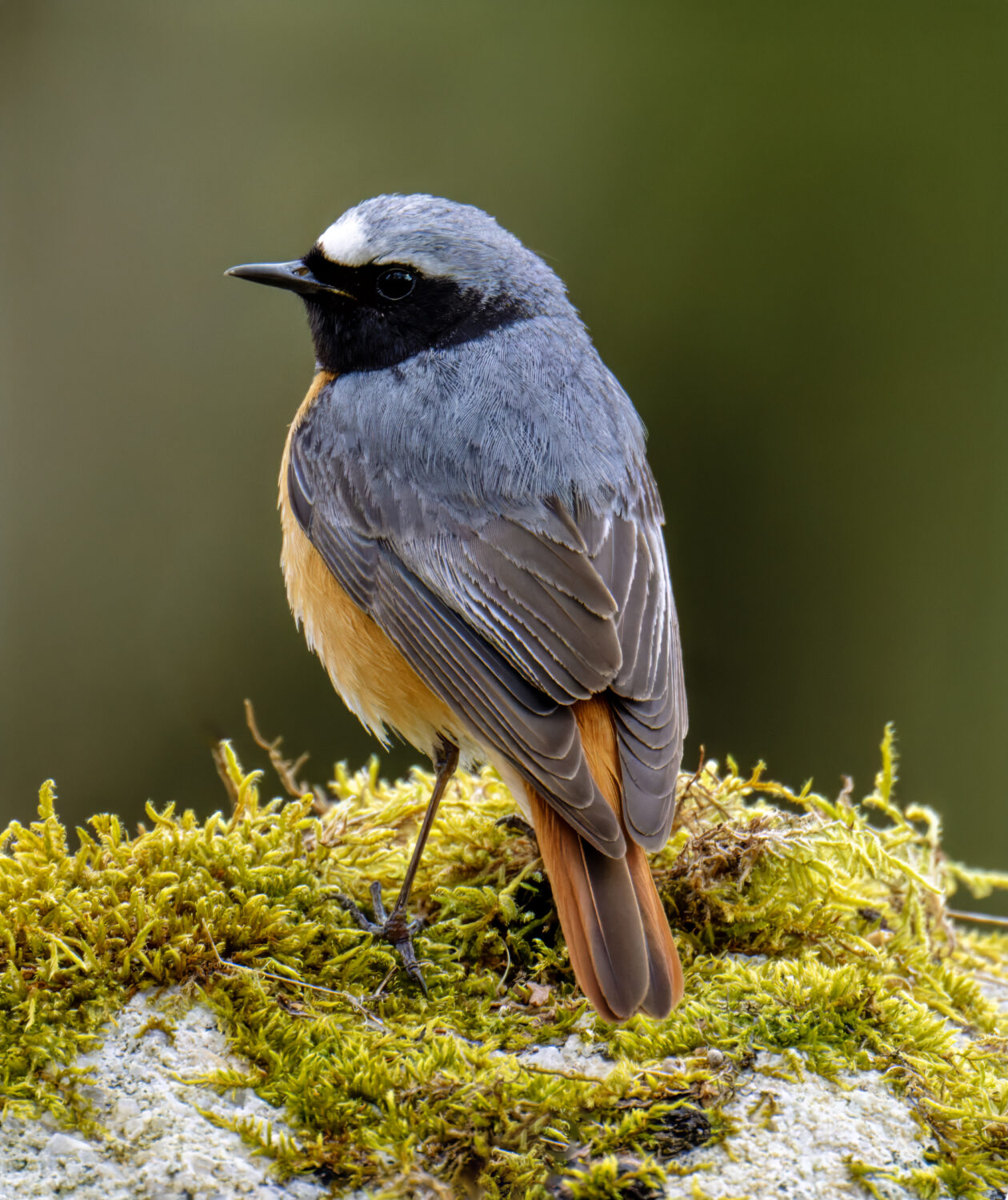
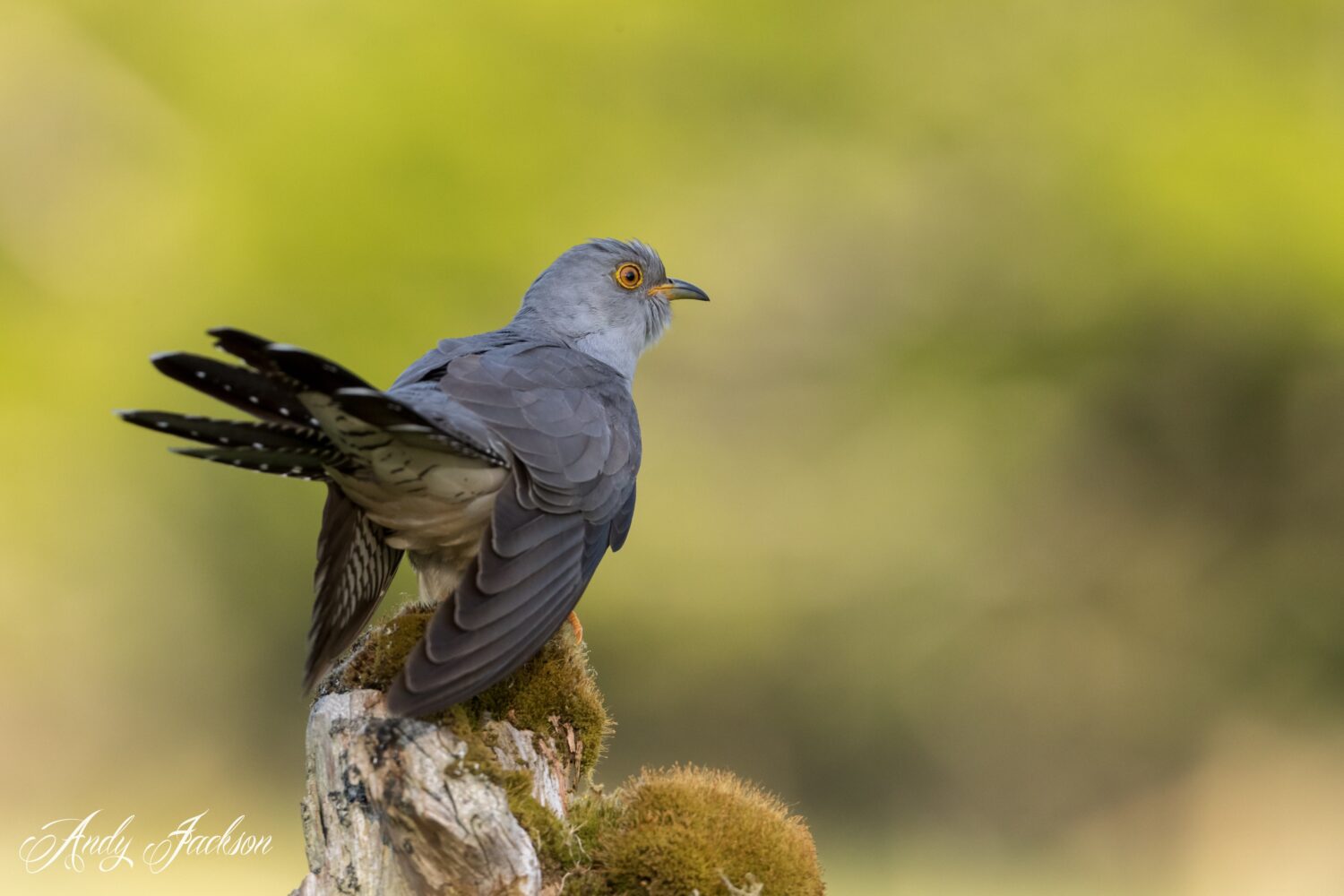
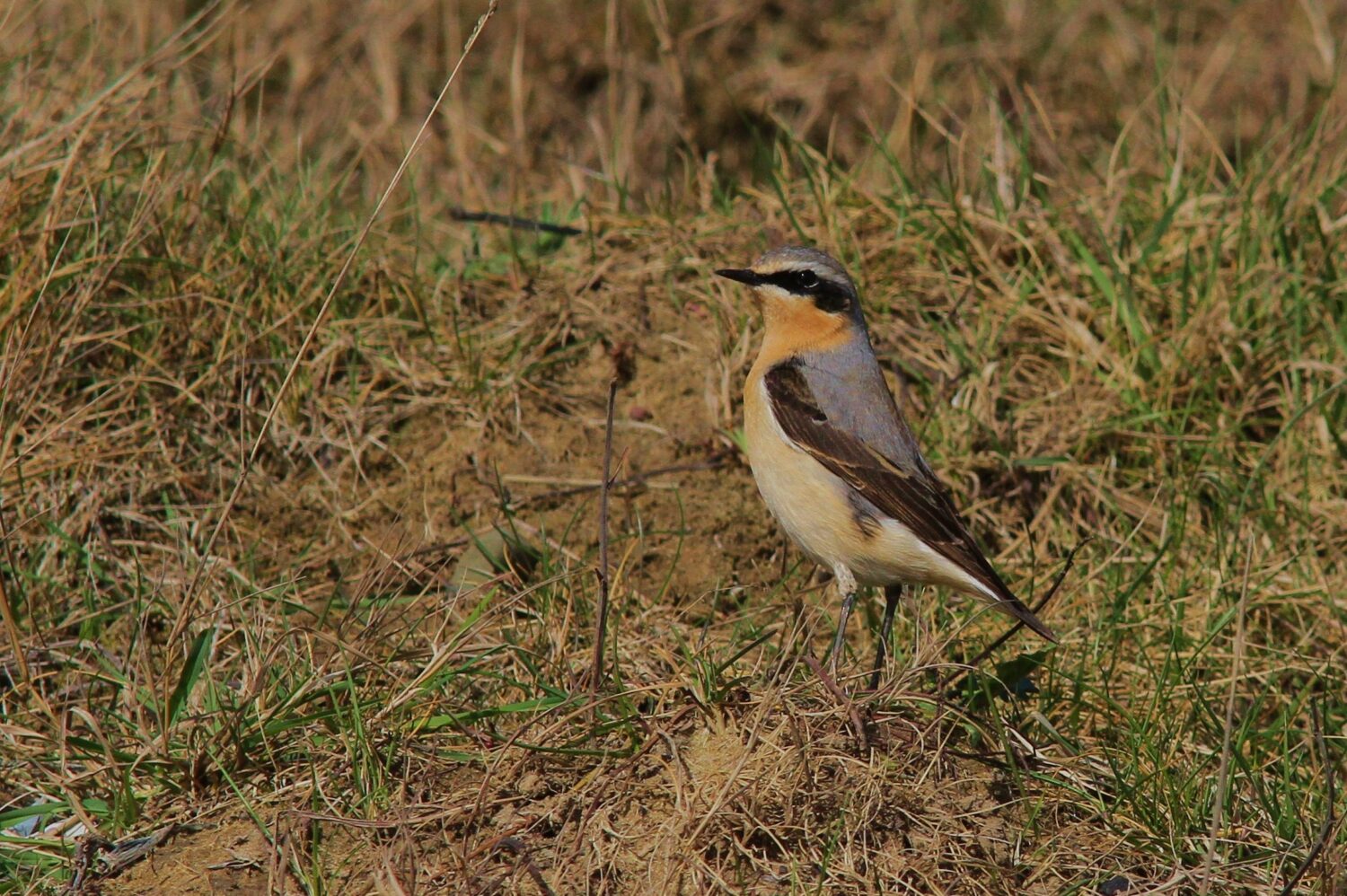
Make sure to look out for Wheatear and Whinchat as they flit across grasslands, Pied Flycatchers foraging through woodlands and hedgerows, and Tree Pipits parachuting themselves to the ground from forest edges. One of the most noticeable migratory birds to look out for this spring are Redstarts, which are easily identified by their bright orange and red feathers. Of course, don’t forget to listen out for the calls of Cuckoos as they perch in the treetops. Did you know, their recognisable “cuck-oo” call is only made by the males, the females make a bubbling sound?
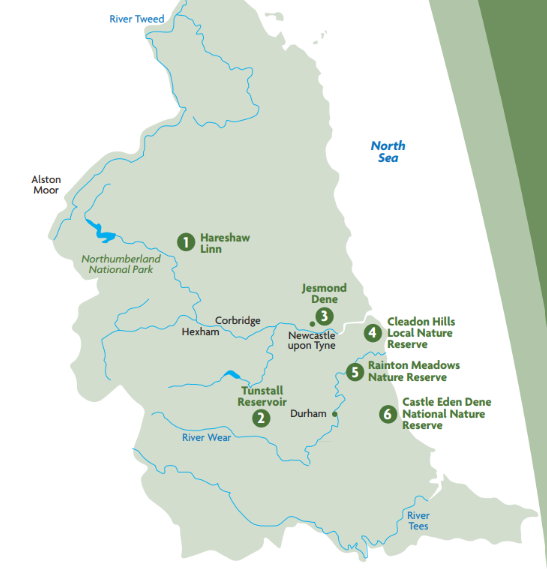
Places to discover migrant birds across the North East this spring
- Hareshaw Linn
Located in Northumberland National Park, this site is full of dynamic woodland, rocky outcrops, and staggering waterfalls, and many Redstarts are known to make this their home during spring.
- Tunstall Reservoir
Supporting a wide variety of wetland and woodland birds, the eastern woodland is a great place to spot Pied Flycatcher and Redstart.
- Jesmond Dene
An urban gem in the heart of Newcastle, Jesmond Dene is a haven for wildlife all year round with Willow Warbler and Chiffchaff returning for spring.
- Cleadon Hills Local Nature Reserve
Cleadon Hills’ unique location makes this a great place to spot coastal, woodland, and grassland birds. The expansive Windmill Field is a great place to spot Wheatear and Whinchat this spring.
- Rainton Meadows Nature Reserve
Opened in 1996, Rainton Meadows is a relatively new nature reserve, now a significant area for wildlife in the North East, with over 200 bird species recorded. Look out for Redstart, Meadow Pipit and Willow Warbler amongst the meadow and woodland.
- Castle Eden Dene National Nature Reserve
One of the UK’s few remaining “wildwoods”, this 10,000 year old woodland of tangled trees and rocky outcrops is a great place to spot Cuckoo as the migrate to the North East.
Three Woodland Birds to Look out for This Spring
Restart
Known for their quivering red-orange tails, Redstarts can be seen from April to October in woodland, upland and urban areas. They are true tree-dwellers and spend little time on the ground.
Pied Flycatcher
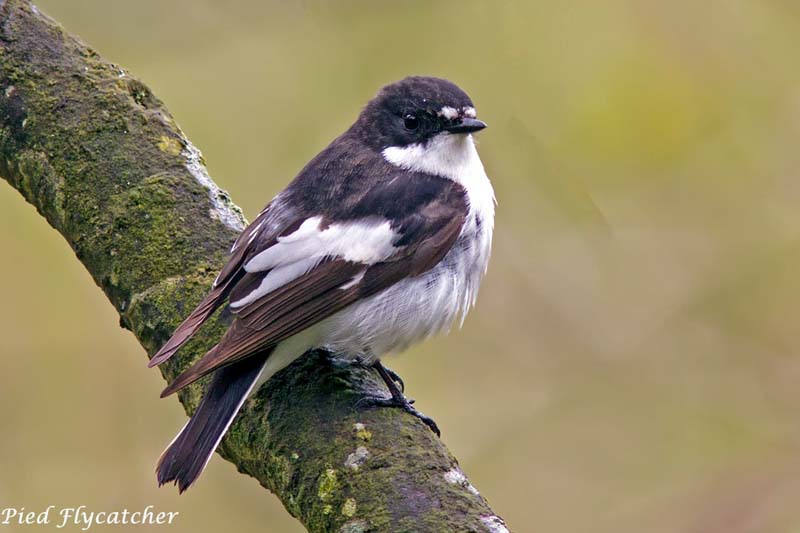
With their black body, white underparts and white patch on the wing, Pied Flycatchers can be seen from April to October, feeding on insects, fruits and seeds in woodlands.
Spotted Flycatcher
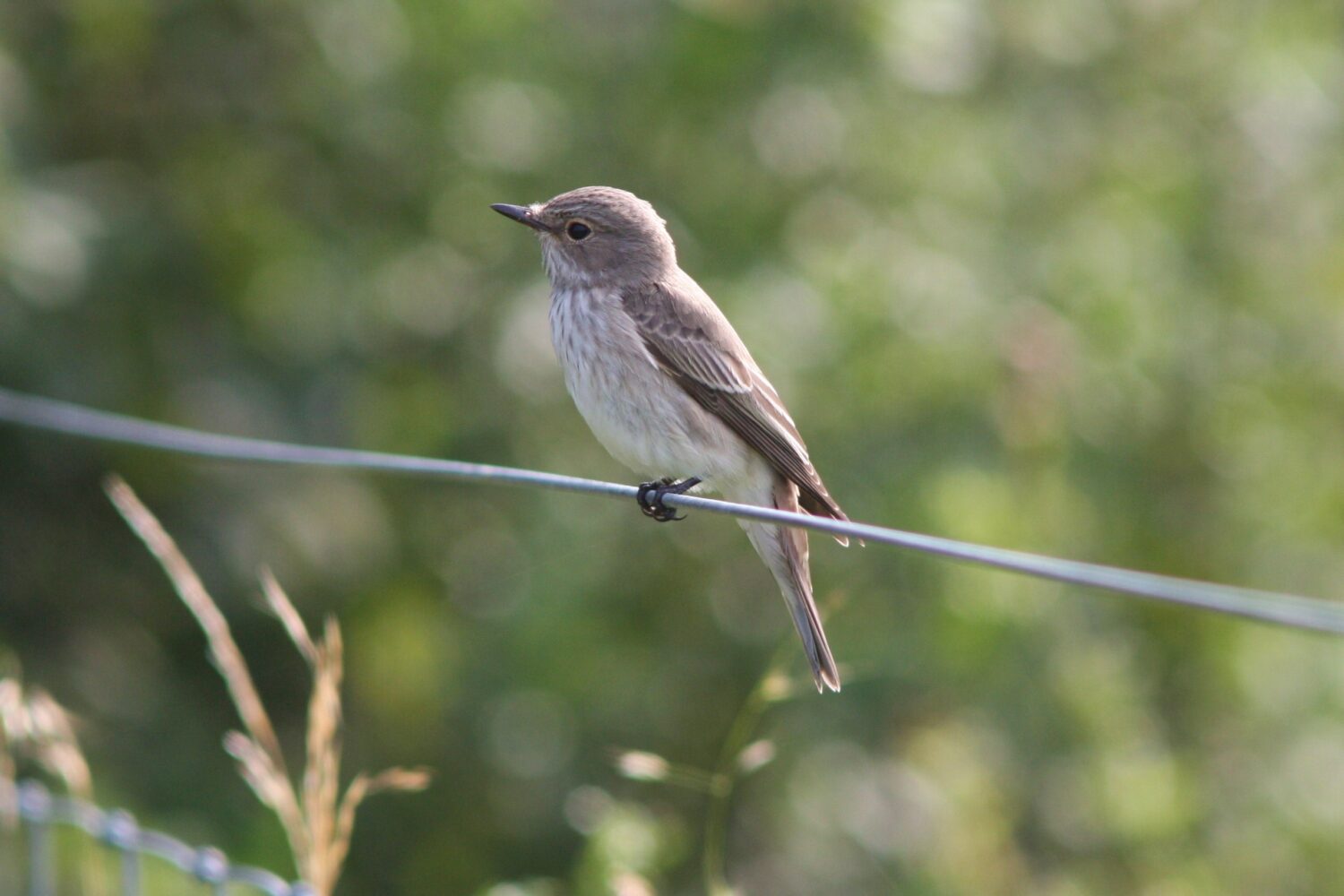
A grey-brown bird with pale underparts, Spotted Flycatchers can be seen from May to October, mainly in woodlands. They are expert fly-catchers, flying from perches to grab and insect in flight.