Are you looking to grow your skills in natural history and learn from experienced local naturalists?
Are you a student or early-career professional looking to improve your field identification skills and learn from experienced local naturalists in 2026? If so, NHSN’s Field Skills Programme could be perfect for you.
With training and resources provided, a total of 12 trips will take place to various sites across Tyneside and Northumberland, offering you the chance to explore new places, encounter some of our region’s wildlife and develop your skills in identifying bees, butterflies, bats and a wide range of plant groups. Further events will bring participants together indoors at the Great North Museum: Hancock, to socialise, share experiences and celebrate their achievements as part of the programme.
Why Do You Need Field Skills?
Field skills, including identifying, surveying and recording wildlife, are a key element of many jobs in the environmental sector. Despite this, opportunities to develop these skills to the standard needed for many roles in ecology and conservation are often limited.
What Will You Experience?
Between April and August 2026, 12 trips will take place to several locations across North East England. These include a mix of local urban wildlife hotspots, including NHSN’s Gosforth Nature Reserve, Big Waters and Havannah Nature Reserve. Another trip will provide attendees with the chance to visit Holy Island – one of the UK’s top botanical hotspots. Transport via mini-bus will be provided from Newcastle to Holy Island, with other sites accessible easily by car or public transport. Most trips will take place on weekends, ensuring trips fit around your studies and other commitments.
Each trip will focus on topics including bees, wildflowers, ferns, grasses, butterflies and more, with you joining one or more experienced local naturalists to find, identify and learn about wildlife in the field. Trips will include time to ask questions, network and record wildlife yourself while contributing to NHSN’s citizen science projects in areas lacking wildlife records.
What Will You Get From Taking Part?
At the end of the course, having attended five or more sessions, you will receive a certificate demonstrating your participation. You’ll also receive complimentary identification guides and your own hand lens – perfect for taking your newfound interest further in the future.
More importantly, however, you’ll receive a unique opportunity to meet and learn from experienced professionals, many of whom are recognised as experts in their particular field. By doing so, you’ll improve your CV and boost your knowledge of wildlife identification, gaining transferable skills valued by environmental employers. You’ll also meet like-minded students, have the opportunity to feature in NHSN communications and in some cases, meet with practitioners and land managers responsible for managing these unique sites.
New for 2026
This year, thanks to a generous donation made in memory of local naturalists Malcolm and Julie Watson, everyone who applies to the Field Skills Programme will have the opportunity to attend a special series of online field skills sessions. Designed to bring high-quality field skills tuition to the North East, the sessions will cover topics such as botany, bees, and bryophytes. Attendees will be able to explore a wide range of natural history subjects, broaden their knowledge, and connect with friendly and knowledgeable natural history experts. Further details will be shared at the project launch.
I really enjoyed my time on the field trips, especially as they gave me an opportunity to meet like-minded people interested in developing their species identification skills and to learn about their particular interests and career aspirations. I learned a wide range of tips and tricks for identifying species and distinguishing them from closely related species and loved the opportunity to see more of Northumberland and areas surrounding Newcastle, especially places I couldn’t visit by public transport. In general I learnt so so much and would highly advise people to apply for this programme!
Previous Participant
Who Can Apply?
This course is open to anyone aged 18-35 who is unemployed, in full-time education or currently volunteering with a non-profit conservation organisation (e.g. charities, local authorities, National Parks and National Landscapes). Young people who demonstrate an enthusiasm for natural history but are not currently at university are also most welcome.
How to Apply
To apply, please email a short letter to NHSN Senior Naturalist, James Common, at james.common@newcastle.ac.uk by Monday 16 February. Please provide:
- Your name
- Organisation or University, including the name of your course if relevant
- A short statement expressing why you are interested in this opportunity (200 words max)
Numbers will be capped at 25 individuals and attendees for each trip confirmed on a first-come, first-served basis. Priority will be given to those who have attended fewer trips as part of the programme. Successful applicants will be contacted by email no later than 23 February 2026 and will be invited to a special launch event held at the Great North Museum: Hancock in March.
Local Naturalists You Will Meet
Throughout the programme, participants will have the opportunity to learn from several local naturalists with expertise in botany and invertebrates. These are:
Charlotte Rankin
Entomologist
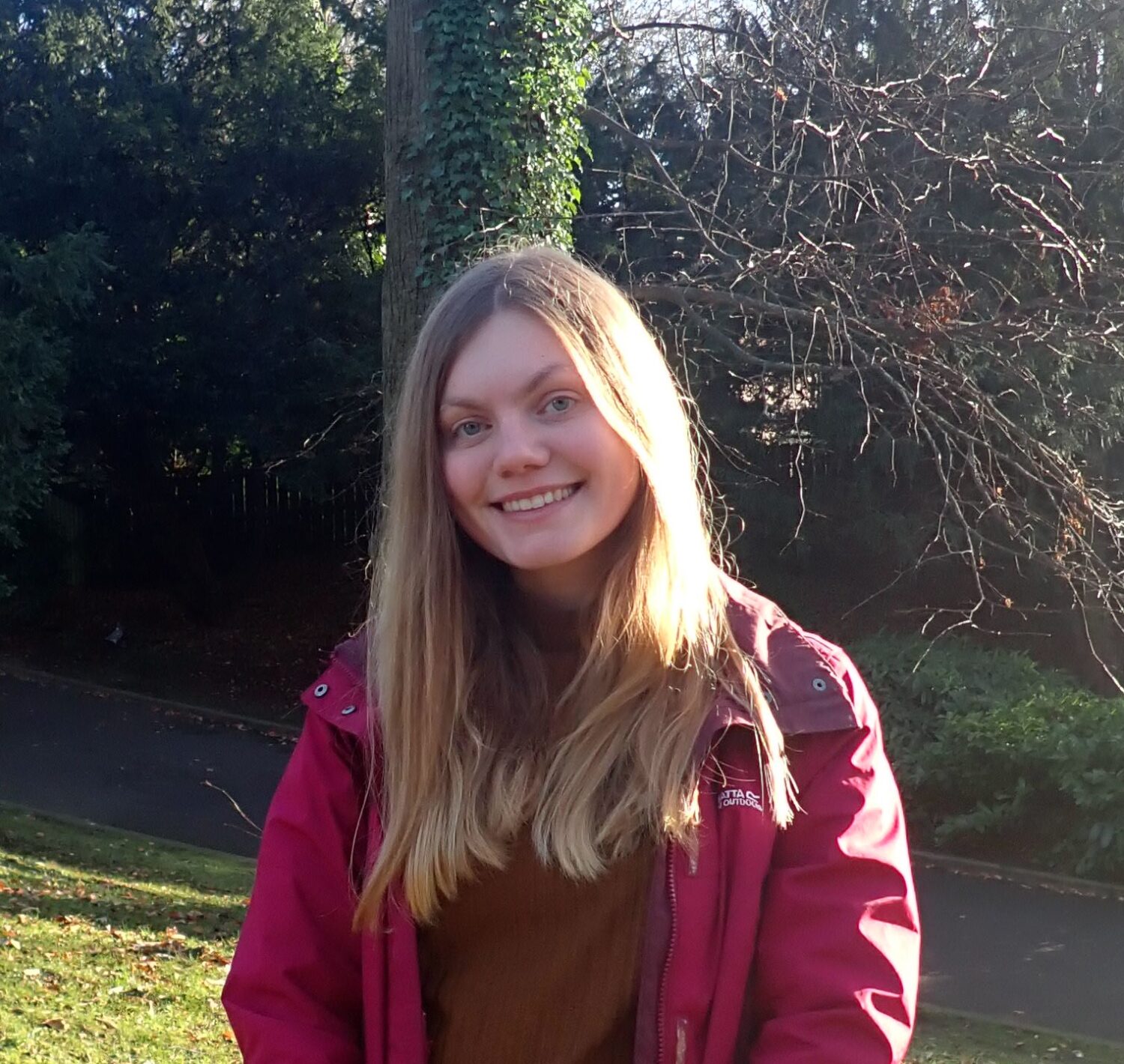
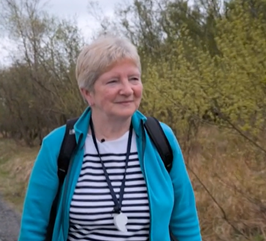
Charlotte is a Coordinator with NHSN’s Invertebrate Group and a local naturalist interested in invertebrate conservation and species recording. She discovered her passion for pollinators during university and now works in pollinator conservation just across the border in Cumbria
Louise Hislop
Entomologist
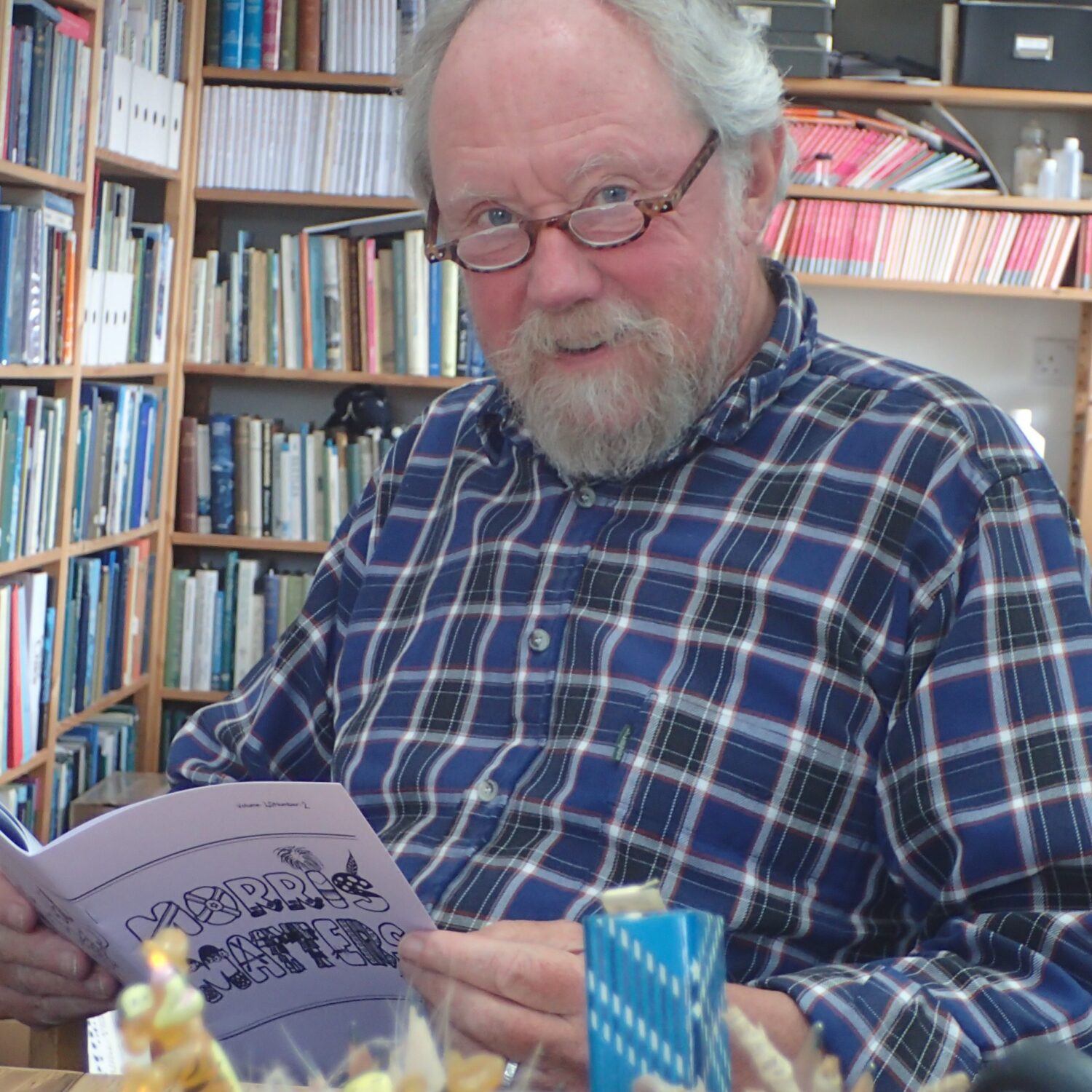
Louise is a naturalist and entomologist with a particular interest in wild bees, solitary wasps and hoverflies. She is the former Chair of BWARS, the national Bees, Wasps and Ants Recording Society, an organiser/recorder for the North Pennines National Landscapes (formerly AONB) Special Invertebrate Sites Invertebrate Recording Group and a co-author of Bumblebees of North East England
Chris Metherell
Botanist
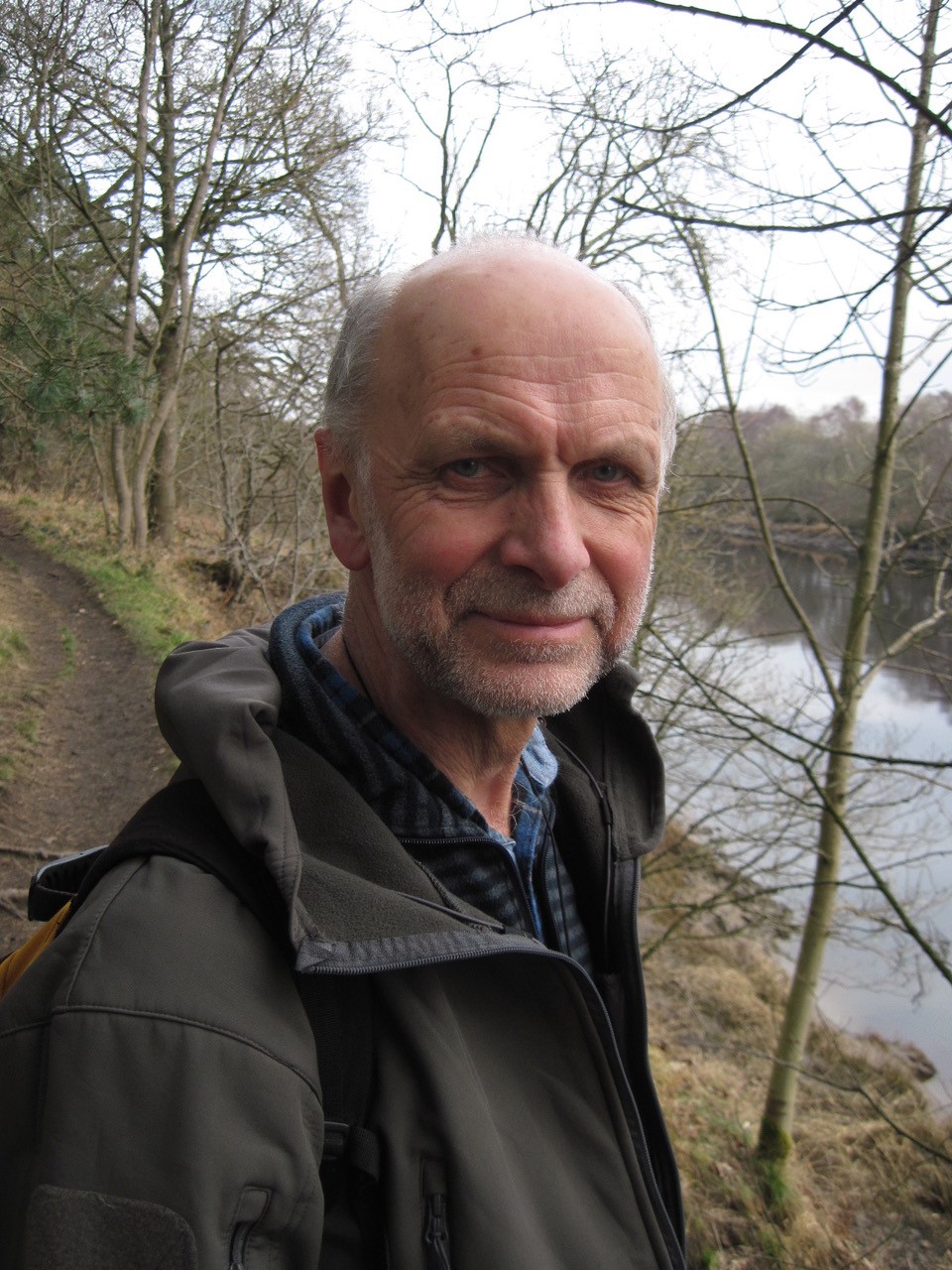
Chris is a current NHSN Botany Group Coordinator, vice-county recorder for North Northumberland and former president of the Botanical Society of Britain and Ireland (BSBI). He is the national referee for Eyebrights and recently published a book on the Plants of Holy Island.
Mima Cattan
Botanist
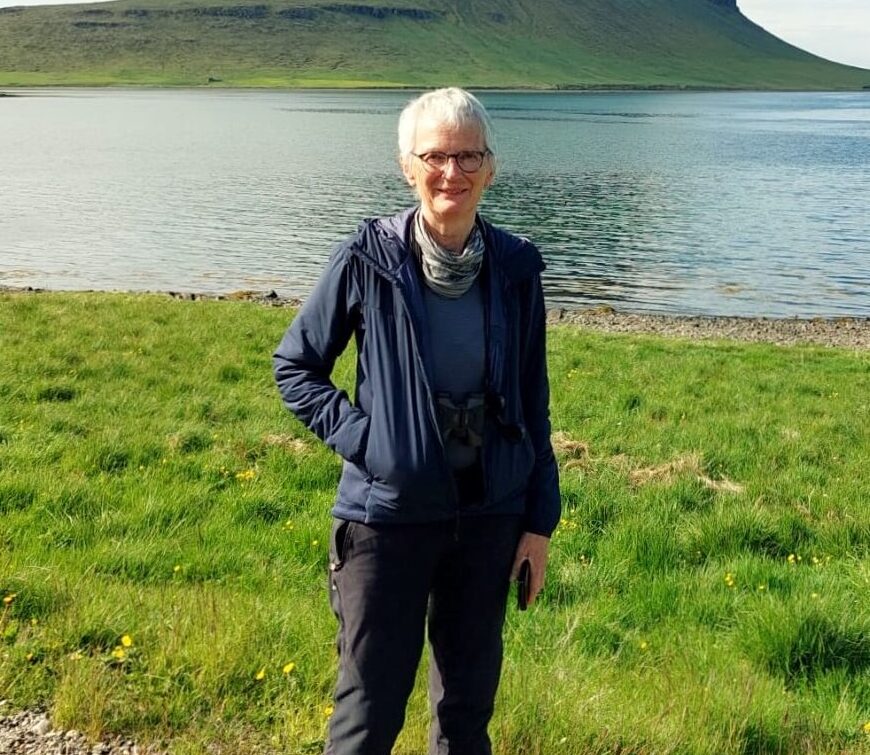
Mima is a current NHSN Botany Group Coordinator. She coordinates the NHSN ‘Friday Botany Group’ and has conducted several botanical surveys over the years to interesting sites across the UK. She contributed to Orchids of North East England.
Gordon Port
Entomologist
Gordon is a current NHSN Invertebrate Group Coordinator and Honorary Fellow of the Royal Entomological Society. He teaches Field Identification Skills at Newcastle University and has an unusual fondness for slugs.
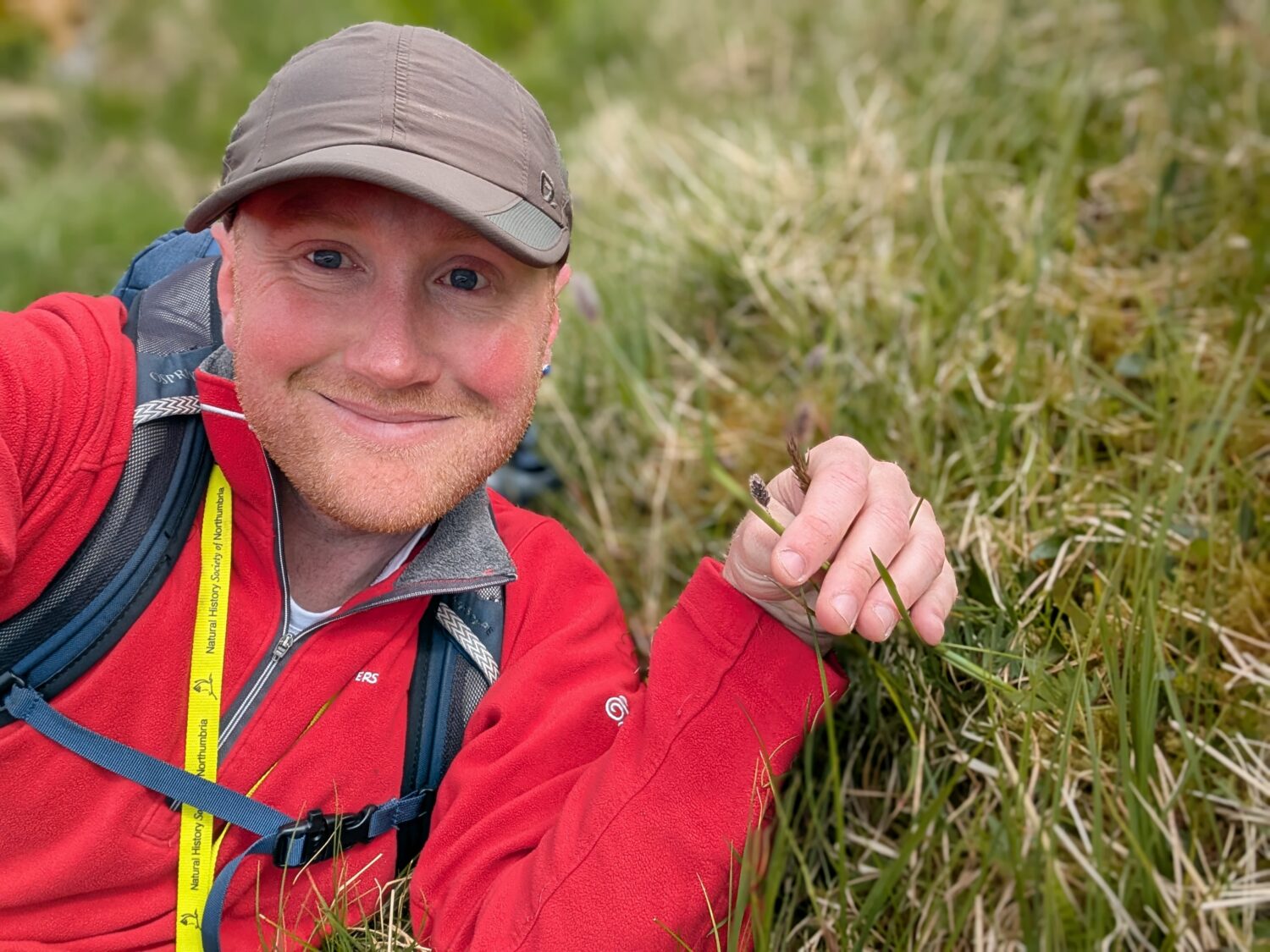
James Common
NHSN Senior Naturalist & Botanist
James works as NHSN’s Senior Naturalist and with Chris, is a vice-county recorder for North Northumberland. He is a plant verifier for South Northumberland and leads education courses and events, helping people find, identify and record wildflowers. His main interest are in urban plants, ferns and bulbs.
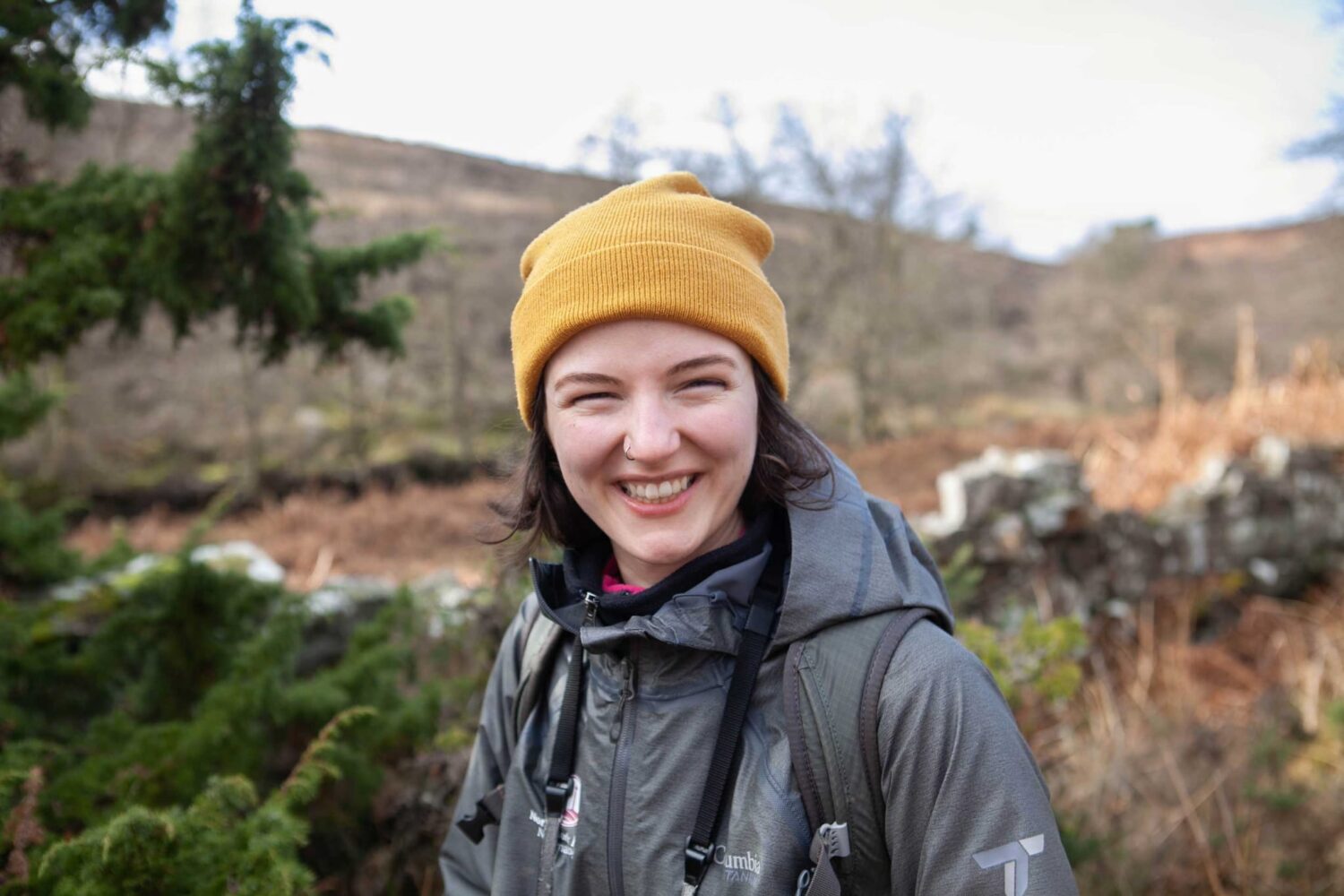
Ellie Davison
NHSN Urban Naturalist
Ellie works as NHSN’s Urban Naturalist, connecting people with nature along the Ouse Burn Way, supported by the Reece Foundation. Working with volunteers, she leads on NHSN’s work in the city’s wildlife corridor and has particular interests in fungi, bats, botany and mammals.