NHSN Field Skills Programme
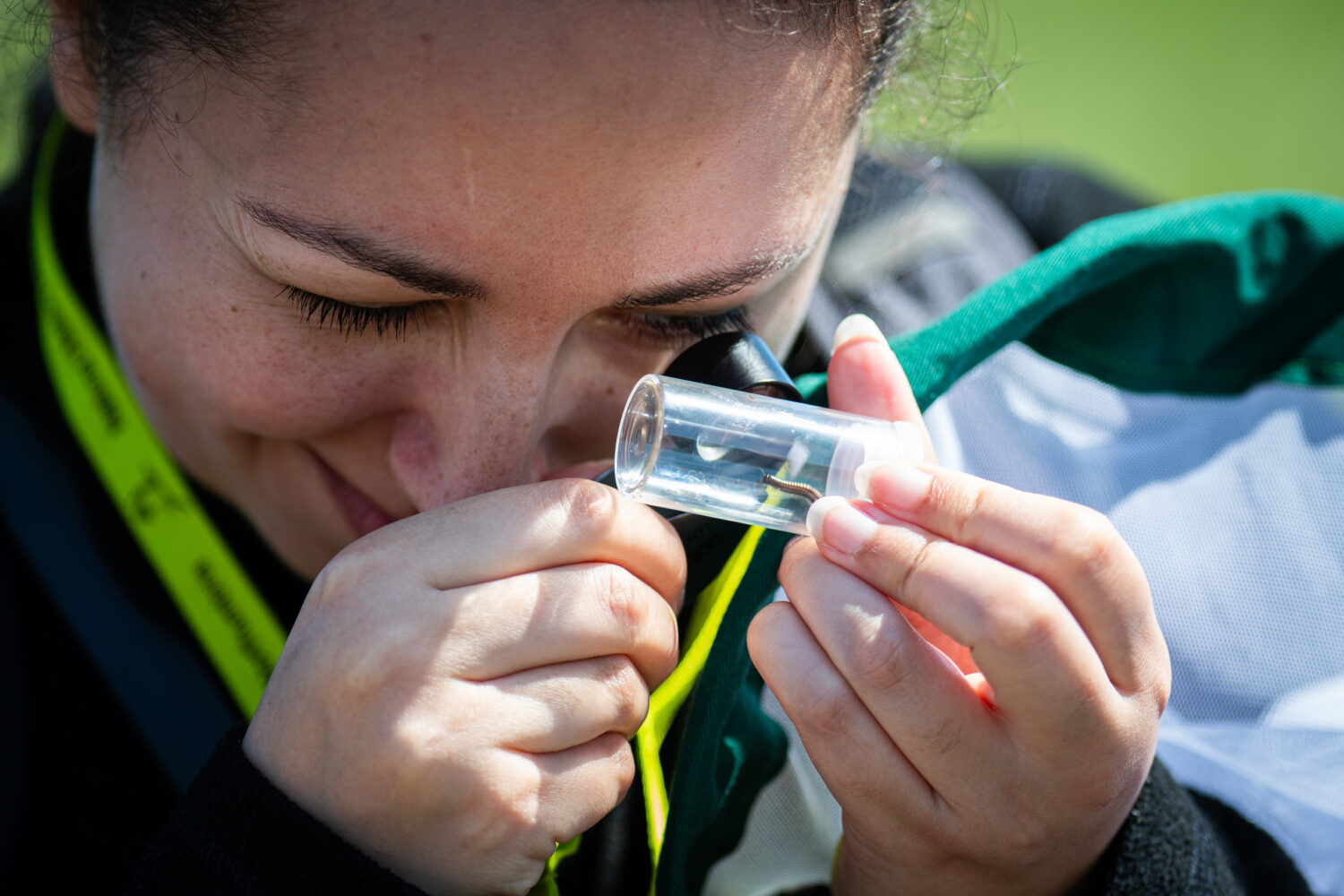
NHSN’s Field Skills Programme provides early-career naturalists with hands-on skills in wildlife identification and ecology.
Applications are now closed for 2026 – look out for new opportunities in 2027
NHSN’s Field Skills Programme is an annual training programme for early-career naturalists (aged 18-35) providing practical skills in identifying, surveying and recording wildlife.
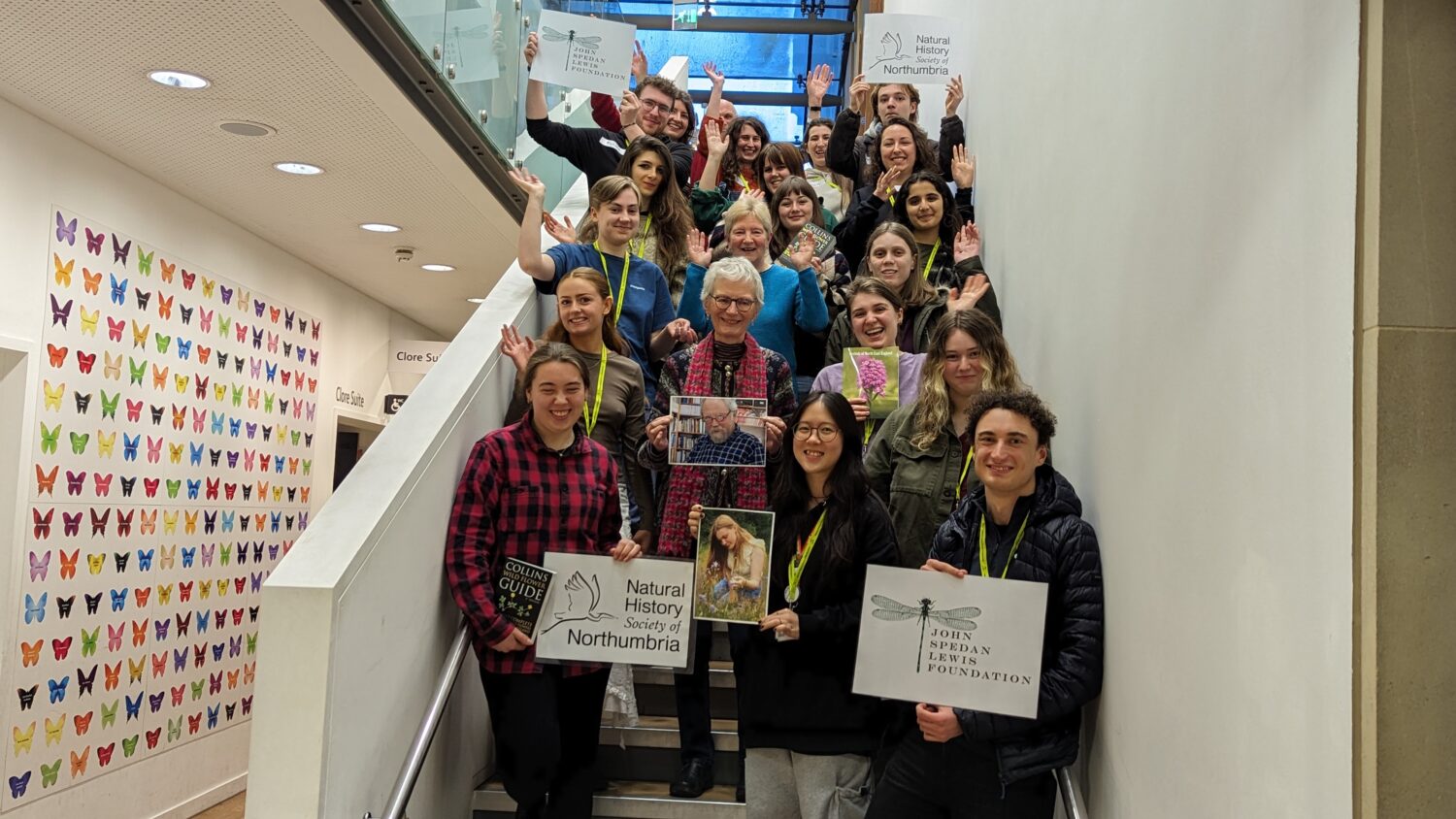
Each year, we welcome 25 individuals to take part in 12 trips to various sites across Tyneside and Northumberland, offering participants the chance to explore new places, encounter some of our region’s wildlife and develop skills in identifying bees, butterflies, bats and a wide range of plant groups. Further events bring participants together indoors at the Great North Museum: Hancock, to socialise, share experiences and celebrate their achievements as part of the programme.
Why Do You Need Field Skills?
Field skills, including identifying, surveying and recording wildlife, are a key element of many jobs in the environmental sector. Despite this, opportunities to develop these skills to the standard needed for many roles in ecology and conservation are often limited.
What Will You Get From Taking Part?
At the end of the course, having attended five or more sessions, you will receive a certificate demonstrating your participation. You’ll also receive complimentary identification guides and your own hand lens – perfect for taking your newfound interest further in the future.
More importantly, however, you’ll receive a unique opportunity to meet and learn from experienced professionals, many of whom are recognised as experts in their particular field. By doing so, you’ll improve your CV and boost your knowledge of wildlife identification, gaining transferable skills valued by environmental employers. You’ll also meet like-minded students, have the opportunity to feature in NHSN communications and in some cases, meet with practitioners and land managers responsible for managing these unique sites.
I really enjoyed my time on the field trips, especially as they gave me an opportunity to meet like-minded people interested in developing their species identification skills and to learn about their particular interests and career aspirations. I learned a wide range of tips and tricks for identifying species and distinguishing them from closely related species and loved the opportunity to see more of Northumberland and areas surrounding Newcastle, especially places I couldn’t visit by public transport. In general I learnt so so much and would highly advise people to apply for this programme!
Previous Participant
Who Can Apply?
This course is open to anyone aged 18-35 who is unemployed, in full-time education or currently volunteering with a non-profit conservation organisation. Young people who demonstrate an enthusiasm for natural history but are not currently at university are also most welcome.
Applications open in January each year, with successful applicants invited to a special launch event at the Hancock Museum in March.
Where You’ll Visit
Between April and August, 12 trips will take place to several locations across North East England. These include a mix of local urban wildlife hotspots, including NHSN’s Gosforth Nature Reserve, Big Waters and Havannah Nature Reserve. Another trip will provide attendees with the chance to visit Holy Island – one of the UK’s top botanical hotspots.
Transport via mini-bus will be provided from Newcastle to Holy Island, with other sites accessible easily by car or public transport. Most trips will take place on weekends, ensuring trips fit around your studies and other commitments.